3 Days Tour from Marrakech to Merzouga Desert
A 3 days tour from Marrakech to Merzouga Desert is one of the most memorable ways to discover the dramatic landscapes, ancient villages, mountain roads, valleys, kasbahs, and golden sand dunes of southern Morocco. In only three days, this journey takes you from the lively atmosphere of Marrakech across the spectacular High Atlas Mountains, through the historic Kasbah of Aït Benhaddou and the Valley of Roses, into the magnificent Dades Valley and finally to the Sahara Desert around Merzouga.
This short Morocco desert tour is designed for travelers who want to experience the Sahara without spending a full week on the road. Although the journey involves long driving days, the route is filled with remarkable scenery and cultural experiences. Every part of the trip offers something different, from mountain landscapes and Berber villages to ancient kasbahs, desert oases, camel trekking, and a night beneath the stars.
The adventure begins in Marrakech, the famous Red City of Morocco. From here, you travel through the High Atlas Mountains, crossing the Tizi n’Tichka pass and enjoying panoramic views of valleys and traditional mountain villages. The journey continues toward the UNESCO-listed Aït Benhaddou, one of Morocco’s most recognizable fortified villages. From there, the road leads through Ouarzazate, the Valley of Roses, and the Dades Valley before reaching the desert town of Merzouga.
The highlight of the trip is the Sahara Desert. As the afternoon light begins to soften, you leave the vehicle behind and ride a camel across the Erg Chebbi dunes. Watching the sun disappear behind the golden sands is an unforgettable experience. At night, you stay in a desert camp, enjoy a traditional Moroccan dinner, listen to local music, and spend time under a sky filled with stars.
The following morning, you wake early to watch the sunrise over the dunes before returning by camel or 4×4 and beginning the journey back toward Marrakech.
Whether you are traveling as a couple, with friends, with family, or as a solo traveler, this 3-day Marrakech to Merzouga desert tour combines Morocco’s mountains, valleys, historic architecture, and Sahara landscapes into one extraordinary journey.
3 Days Marrakech to Merzouga Desert Tour Overview
The 3 days tour from Marrakech to Merzouga Desert is a compact Sahara adventure covering some of the most famous destinations in southern Morocco.
The journey starts in Marrakech and crosses the High Atlas Mountains before reaching the famous Kasbah of Aït Benhaddou. After exploring the ancient fortified village, you continue through Ouarzazate and the scenic Valley of Roses before spending the first night in the Dades Valley.
On the second day, the route continues through the dramatic landscapes of the Todra Valley and Todra Gorges before heading farther east toward Merzouga. Along the way, you see changing landscapes as green valleys gradually give way to more arid desert scenery.
In the afternoon, you arrive at the edge of the Erg Chebbi dunes. Here, your camel trek begins. Riding through the dunes as the sun begins to set gives you a completely different perspective of the Sahara. After reaching the desert camp, you enjoy dinner and traditional entertainment before spending the night in a comfortable desert tent.
The third day begins with sunrise over the Sahara. After breakfast, you leave Merzouga and begin the long return journey toward Marrakech, passing through desert landscapes, valleys, and mountain scenery along the way.
Tour at a glance
Duration: 3 days / 2 nights
Starting point: Marrakech
Ending point: Marrakech
Main destination: Merzouga and Erg Chebbi Sahara Desert
Main experiences:
- Crossing the High Atlas Mountains
- Tizi n’Tichka mountain pass
- Visiting Aït Benhaddou
- Exploring Ouarzazate
- Driving through the Valley of Roses
- Discovering the Dades Valley
- Visiting Todra Gorge
- Experiencing the Sahara Desert
- Camel trekking in Erg Chebbi
- Watching the desert sunset
- Overnight desert camp
- Traditional Moroccan dinner
- Berber/Amazigh music
- Sunrise over the Sahara
- Exploring the desert region around Merzouga
This itinerary is ideal for travelers who want to experience the Sahara while keeping their Morocco itinerary relatively short.
Highlights of the 3 Days Tour from Marrakech to Merzouga
A short itinerary does not mean a lack of unforgettable experiences. The route from Marrakech to Merzouga contains an extraordinary variety of landscapes and cultural attractions.
1. Cross the High Atlas Mountains
One of the first major highlights of the journey is crossing the High Atlas Mountains.
Leaving Marrakech behind, the road gradually climbs into the mountains. The scenery changes quickly as the urban landscape gives way to green valleys, rocky slopes, traditional villages, and spectacular mountain viewpoints.
The famous Tizi n’Tichka pass provides some of the most impressive views along the route. Depending on the season and weather conditions, the mountains can appear dramatically different. Spring can bring green vegetation and flowers, while winter may bring snow to the higher peaks.
The journey across the High Atlas is more than simply transportation between Marrakech and the desert. It is an opportunity to observe the geography and rural landscapes of Morocco.
Small villages appear along the mountainsides, often built from earth-colored materials that blend naturally into the surrounding landscape.
Travelers should have their cameras ready because there are numerous opportunities to stop at viewpoints and appreciate the scenery.
2. Visit Aït Benhaddou
Aït Benhaddou is one of the most famous stops on the route between Marrakech and the Sahara.
This historic fortified settlement, known as a ksar, consists of earthen buildings constructed close together along the hillside. Walking through its narrow pathways feels like stepping into another era.
The architecture is one of the major attractions. Decorative geometric patterns, towers, walls, and traditional earthen construction demonstrate the architectural traditions of southern Morocco.
Aït Benhaddou has also appeared in numerous international film and television productions, helping make the site recognizable to travelers from around the world.
However, its importance goes beyond cinema. The settlement represents an important part of the architectural and cultural heritage of the region.
During your visit, you can walk through the old village, explore its narrow passages, climb toward higher viewpoints, and enjoy panoramic views over the surrounding landscape.
The contrast between the reddish architecture and the surrounding valleys creates excellent photographic opportunities.
3. Discover Ouarzazate
Often described as the gateway to the Sahara, Ouarzazate is another important stop on the journey.
The city sits at an important crossroads between the High Atlas Mountains and the desert regions farther south and east.
Ouarzazate is associated with Morocco’s film industry and is surrounded by dramatic landscapes that have attracted filmmakers from around the world.
Depending on the itinerary and available time, travelers may visit areas such as the Taourirt Kasbah or simply pass through the city while continuing toward the Dades Valley.
The surrounding landscapes are particularly striking because they combine rocky plateaus, dry valleys, palm-filled oases, and traditional architecture.
4. Drive Through the Valley of Roses
The Valley of Roses is another beautiful section of the journey.
Located in the southern foothills of the Atlas Mountains, the valley is known for its rose cultivation. During the flowering season, the landscape takes on a special atmosphere, while local communities produce various rose-based products.
The valley is also home to traditional villages and dramatic mountain scenery.
Driving through this region provides an opportunity to see a quieter side of Morocco away from the major tourist cities.
Small agricultural fields, palm trees, mud-brick houses, and rugged mountains create a landscape that changes gradually as you move toward the desert.
5. Explore the Dades Valley
The Dades Valley is famous for its spectacular combination of cliffs, valleys, villages, and oases.
The road through the region provides numerous scenic viewpoints, making it one of the most enjoyable sections of the journey.
The landscape changes dramatically as the road follows the contours of the valley. Large rock formations rise above the road, while green vegetation and palm trees can appear around sources of water.
The Dades Valley is also home to traditional kasbahs and villages, offering travelers an opportunity to see how communities have adapted to the region’s dry environment.
The first night of the tour is commonly spent in a hotel or guesthouse in the Dades area.
6. Visit Todra Gorge
Todra Gorge is one of the most impressive natural attractions in southeastern Morocco.
The gorge was formed by erosion over thousands of years, creating towering rock walls on either side of the valley.
As you approach the gorge, the landscape becomes increasingly dramatic. The road enters a narrow section surrounded by enormous cliffs.
The contrast between the vertical rock walls and the small stream that flows through parts of the valley creates an unforgettable setting.
Visitors can walk through sections of the gorge, take photographs, enjoy the scenery, and experience the atmosphere of this extraordinary natural environment.
For travelers interested in photography, geology, hiking, or simply spectacular scenery, Todra Gorge is an important highlight of the Marrakech-to-Merzouga route.
7. Arrive in Merzouga
After crossing the valleys and plateaus of southeastern Morocco, you eventually reach Merzouga.
Merzouga is a small desert settlement best known as one of the main gateways to the Erg Chebbi dunes.
The landscape here is completely different from Marrakech.
Instead of busy streets, gardens, and historic city walls, the surroundings are dominated by wide open spaces and enormous sand dunes.
The first sight of Erg Chebbi can be one of the most memorable moments of the journey.
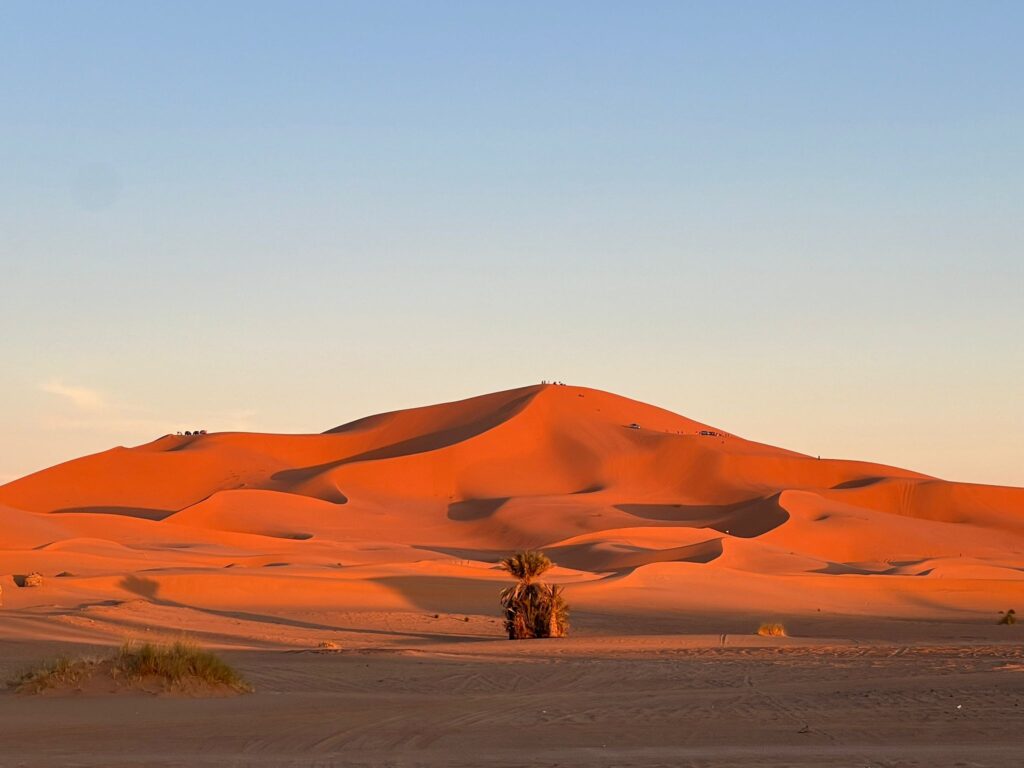
The golden dunes rise dramatically from the surrounding desert landscape, particularly when illuminated by the afternoon sun.
8. Ride Camels Through the Sahara
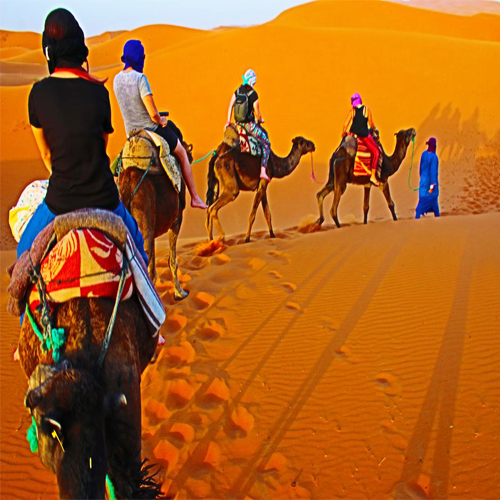
Camel trekking is one of the signature experiences of a 3 days tour from Marrakech to Merzouga Desert.
In the afternoon, you meet the camel team near the dunes and begin the trek into Erg Chebbi.
The pace is deliberately slow, allowing you to appreciate the desert environment.
As the camels move across the sand, the surrounding landscape becomes increasingly quiet. The sounds of vehicles and towns disappear, leaving the wind, footsteps, and movement of the animals.
The camel trek is particularly beautiful around sunset.
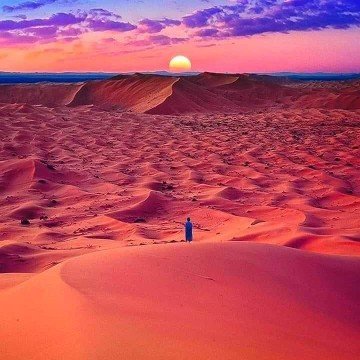
The color of the dunes changes as the sun gets lower, moving through shades of yellow, orange, gold, and deeper red.
Your guide can help you find a suitable viewpoint for watching the sunset and taking photographs.
9. Watch the Sunset Over Erg Chebbi
The Sahara sunset is one of the most anticipated moments of the tour.
As the sun approaches the horizon, the dunes become covered in long shadows and warm colors.
The wide-open landscape creates an almost uninterrupted view of the horizon.
There are no tall buildings or city lights to obstruct the view.
Many travelers choose to simply sit on the sand and watch the landscape change.
It is a peaceful moment and one of the experiences that makes a desert tour different from a conventional sightseeing trip.
10. Spend a Night in a Sahara Desert Camp
After the sunset, the camel trek continues toward the desert camp.
The camp provides an opportunity to experience the Sahara after dark.
Depending on the selected camp, accommodation can range from simple traditional tents to more comfortable luxury-style tents with private facilities.
Dinner is usually served in the evening and may include Moroccan dishes such as tagine, couscous, salads, bread, and fruit.
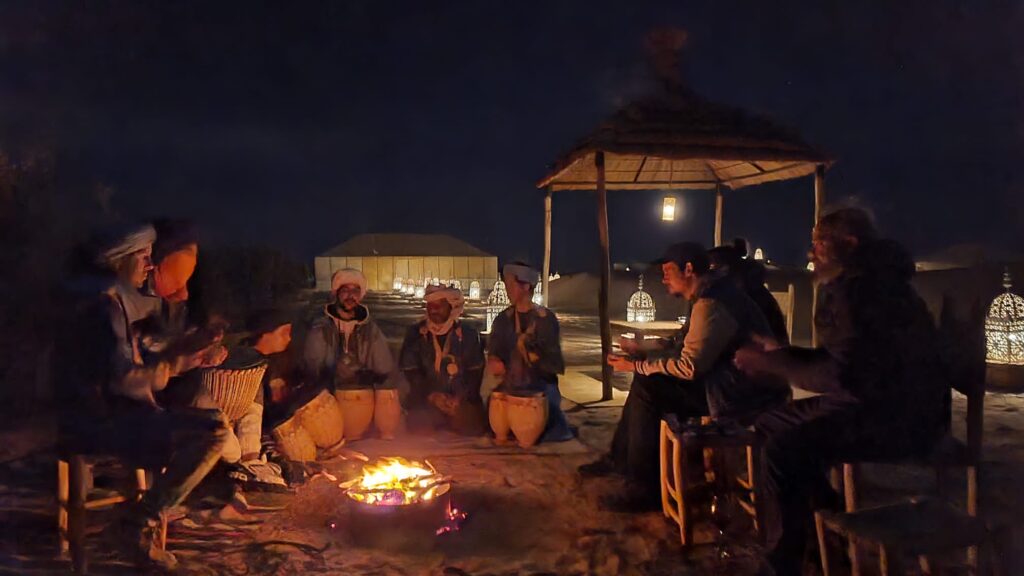
After dinner, travelers can gather around the campfire and enjoy traditional music.
Amazigh musicians may perform rhythms using drums and traditional songs.
The desert at night has a completely different atmosphere from the daytime.
With little artificial light, the stars can appear remarkably clear when weather conditions are favorable.
11. Watch the Sahara Sunrise
For many travelers, the sunrise is just as impressive as the sunset.
Early in the morning, you can climb a nearby dune and wait for the sun to appear over the horizon.
The first light gradually illuminates the surrounding dunes.
The landscape changes from dark silhouettes to golden sand.
After sunrise, you return to the camp for breakfast before continuing the journey.
12. Experience Moroccan Hospitality
A major part of the journey is not only the landscapes but also the people you meet along the way.
Moroccan hospitality is an important part of the travel experience.
From your driver and local guides to hotel staff and desert camp hosts, the journey provides many opportunities to interact with people from different communities.
Sharing mint tea, learning about local traditions, or speaking with people in villages can make the experience more meaningful.
Detailed 3-Day Itinerary
Day 1: Marrakech – High Atlas Mountains – Aït Benhaddou – Ouarzazate – Dades Valley
The first day begins early in Marrakech.
After pickup from your accommodation, you leave the Red City and travel south toward the High Atlas Mountains.
The urban landscape gradually disappears as you approach the mountain roads.
The route climbs toward the Tizi n’Tichka pass, one of the most famous mountain crossings in Morocco.
Along the way, there are opportunities to stop at scenic viewpoints.
You can see traditional mountain villages, valleys, terraced fields, and dramatic peaks.
The architecture changes as you move through the mountains, with houses often constructed from earth-colored materials that blend into the surrounding environment.
After crossing the High Atlas, the landscape becomes drier.
The road continues toward the famous Aït Benhaddou.
Aït Benhaddou visit
You arrive in the area around Aït Benhaddou and explore the historic ksar.
Your guide can explain the history and architectural features of the site.
Walking through the narrow passages, you see traditional earthen buildings, decorative walls, old houses, and fortified structures.
From higher parts of the village, you can enjoy views across the surrounding landscape.
After the visit, you continue toward Ouarzazate.
Ouarzazate
Ouarzazate is an important city in southern Morocco.
Depending on the day’s timing, you may have time to explore a local attraction or enjoy lunch before continuing.
From Ouarzazate, the route follows the road toward the Valley of Roses and the Dades Valley.
As the afternoon progresses, the scenery becomes increasingly dramatic.
You pass through valleys, villages, palm-filled areas, and rocky landscapes.
Overnight in Dades Valley
You arrive at your accommodation in the Dades area toward the evening.
After check-in, you can relax, enjoy dinner, and rest after the day’s journey.
The first day is packed with mountain scenery, historic architecture, and changing landscapes.
Overnight: Dades Valley.
Meals: Breakfast and dinner, depending on the selected package.
Day 2: Dades Valley – Todra Gorge – Erfoud – Rissani – Merzouga Desert
The second day begins after breakfast.
You leave the Dades Valley and continue toward the Sahara.
One of the first major attractions is Todra Gorge.
Todra Gorge
The road takes you into the dramatic gorge, where enormous rock walls rise on both sides.
You can take a walk through the area and enjoy the natural surroundings.
The gorge is particularly impressive because of the scale of the cliffs.
After exploring Todra Gorge, the journey continues toward the desert.
The landscape gradually becomes drier.
You pass through desert towns and agricultural areas where palm trees create green oases against the dry surroundings.
Erfoud
The journey continues through the region around Erfoud.
The town is known for its association with fossils and dates.
The surrounding landscape provides another example of the transition between oasis environments and the Sahara.
Depending on the itinerary, there may be opportunities to stop at a local fossil workshop or simply continue toward Merzouga.
Rissani
Rissani is another historically important town in the region.
It is associated with the ancient caravan routes that once connected different parts of North Africa.
The town’s market traditions and surrounding palm groves offer an interesting glimpse into local life.
After Rissani, you continue toward Merzouga.
Arrival in Merzouga
The first sight of the Erg Chebbi dunes signals the beginning of the Sahara experience.
You reach the meeting point for the camel trek, leave the vehicle behind, and prepare for your desert adventure.
Camel trek
You mount the camels and begin crossing the dunes.
The journey into Erg Chebbi is peaceful and slow.
As the sun starts to set, the sand becomes increasingly golden.
Your guide can stop at a scenic point where you can watch the sunset.
Desert camp
After sunset, you continue to the camp.
Once you arrive, you can settle into your tent and enjoy a traditional Moroccan dinner.
The evening may include traditional Amazigh music around the campfire.
Afterward, you can relax beneath the desert sky.
If conditions are clear, the stars can be spectacular.
Overnight: Sahara desert camp in Erg Chebbi.
Meals: Breakfast and dinner.
Day 3: Merzouga – Ziz Valley – High Atlas – Marrakech
The final day begins early.
If you wish to see the sunrise, wake before dawn and walk to a nearby dune.
The desert is often particularly peaceful at this time of day.
As the first sunlight reaches the horizon, the dunes gradually change color.
After sunrise, return to the camp for breakfast.
Depending on the organization of the tour, you may return to Merzouga by camel or by 4×4.
Once back in Merzouga, you meet your driver and begin the return journey toward Marrakech.
The return route crosses large sections of southeastern Morocco.
You travel through desert landscapes, oasis valleys, and mountain areas.
There are opportunities to stop for photographs and refreshments along the way.
The journey continues toward the High Atlas Mountains.
Eventually, you cross the mountains again and descend toward Marrakech.
Arrival in Marrakech is generally expected in the evening, depending on road conditions, traffic, stops, and the exact starting and ending locations.
Your 3 days tour from Marrakech to Merzouga Desert comes to an end after an unforgettable journey through some of Morocco’s most varied landscapes.
What Makes This 3-Day Desert Tour Special?
The main attraction of this itinerary is the extraordinary diversity of landscapes encountered during a relatively short trip.
In three days, you experience:
- A vibrant Moroccan city
- High mountain passes
- Traditional mountain villages
- Ancient kasbahs
- Historic fortified villages
- Rocky valleys
- Palm oases
- Dramatic gorges
- Desert towns
- Golden sand dunes
- Camel trekking
- A Sahara sunset
- A desert camp
- Traditional Moroccan food
- Amazigh music
- A Sahara sunrise
Few short trips in Morocco provide such a dramatic change in scenery.
Marrakech to Merzouga: A Journey Through Different Worlds
The journey from Marrakech to Merzouga is not simply a transfer between two destinations.
It is a geographical journey across several distinct environments.
Marrakech is characterized by its historic medina, colorful souks, gardens, palaces, restaurants, and busy streets.
As you leave the city, the High Atlas Mountains appear on the horizon.
The road then climbs into a mountainous environment where traditional villages are built into the landscape.
Beyond the mountains, the scenery becomes increasingly arid.
Kasbahs and ksour appear throughout the valleys.
Palm trees grow around water sources.
The road then reaches the eastern desert regions.
Finally, the enormous Erg Chebbi dunes appear.
This dramatic transformation is one of the reasons the route remains so popular among visitors to Morocco.
The High Atlas Mountains
The High Atlas Mountains form an important part of the journey.
The mountains contain some of the highest peaks in North Africa and create a natural transition between northern Morocco and the country’s southern desert regions.
The road from Marrakech crosses the mountains through the Tizi n’Tichka pass.
Mountain weather can change quickly, particularly during winter.
Snow can occasionally affect higher sections of the route, while summer temperatures can be considerably warmer at lower elevations.
Travelers should therefore be prepared for different temperatures during the journey.
The views, however, are one of the great rewards.
Mountain valleys stretch into the distance, while villages appear along the slopes.
Aït Benhaddou and Southern Moroccan Architecture
Aït Benhaddou provides an excellent introduction to the traditional architecture of southern Morocco.
The settlement was constructed using earth-based materials, producing the distinctive red and brown colors associated with the region.
The walls and towers create a fortified appearance.
Inside, narrow passages connect different sections of the settlement.
The architecture demonstrates how local communities developed structures suited to the region’s environment.
Walking through Aït Benhaddou gives visitors an opportunity to appreciate this architectural heritage directly.
Ouarzazate: Gateway to the Desert
Ouarzazate occupies an important geographical position.
Historically, routes through the region connected the High Atlas with the desert and sub-Saharan areas.
Today, the city is an important starting point for desert journeys.
Its surroundings are also famous for dramatic landscapes and film locations.
The combination of mountains, desert-like terrain, kasbahs, and broad open spaces has made the region visually distinctive.
The Dades Valley and Valley of Roses
The valleys south of the High Atlas provide a fascinating contrast to the mountains.
The Dades Valley contains agricultural areas supported by local water sources.
Palm trees and other vegetation create green corridors through otherwise dry landscapes.
The Valley of Roses is particularly associated with rose cultivation.
During the appropriate season, local communities process roses into various products.
The route through these valleys also offers opportunities to see traditional Moroccan villages and agricultural life.
Todra Gorge: One of the Route’s Natural Highlights
Todra Gorge is a spectacular geological feature.
The cliffs rise high above the valley floor and create a narrow passage in certain sections.
Walking through the gorge allows you to appreciate its enormous scale.
The surrounding rock formations also provide an excellent setting for photography.
Travelers interested in hiking can sometimes explore additional paths in the area, depending on the available time and itinerary.
Merzouga and Erg Chebbi
Merzouga is closely associated with the Erg Chebbi dunes.
The region offers one of Morocco’s most recognizable desert landscapes.
The dunes extend across a large area and can reach impressive heights.
Their appearance changes throughout the day.
In the morning, the light is softer.
At midday, the sun creates strong contrasts.
In the afternoon, the dunes become warmer in color.
At sunset, long shadows stretch across the sand.
At night, the landscape becomes almost completely dark away from the camp lights.
At sunrise, the process happens again in reverse.
This constant transformation is one of the reasons photographers and travelers are drawn to the Sahara.
Camel Trekking in the Sahara
Camel trekking is traditionally associated with travel across the desert.
During the tour, camels provide a slow and peaceful way to enter the dunes.
The experience is very different from traveling by vehicle.
You move at a relaxed pace and have time to observe the landscape.
The camel trek is generally scheduled in the afternoon so that travelers can reach a scenic location around sunset.
Comfort levels can vary from person to person, and travelers should be prepared for the movement of the camel.
Those who find camel riding uncomfortable can ask about alternative arrangements such as reaching the camp by 4×4.
Desert Camp Experience
The overnight camp provides the opportunity to experience the Sahara after dark.
Traditional-style camps are designed to reflect elements of nomadic desert accommodation.
More comfortable camps may offer beds, private bathrooms, electricity, and other amenities.
Before booking, travelers should confirm exactly what type of camp is included.
Regardless of the accommodation level, the setting is the main attraction.
Being surrounded by sand dunes, away from the noise of major cities, creates a peaceful atmosphere.
Moroccan Dinner in the Desert
Food is an important part of the desert experience.
Dinner at the camp may include traditional Moroccan dishes.
A typical meal can feature Moroccan salad, bread, tagine, couscous, vegetables, fruit, and tea.
The exact menu depends on the camp and tour package.
Eating dinner after sunset, surrounded by the dunes, creates a memorable travel experience.
Amazigh Music and Desert Entertainment
After dinner, the evening may continue around a campfire.
Traditional drums and Amazigh songs are often part of the desert camp experience.
Guests may participate in the music, learn simple rhythms, or simply listen.
The evening is usually informal and communal.
It offers an opportunity to connect with other travelers and local hosts.
Stargazing in the Sahara
One of the advantages of spending the night in the desert is the reduced artificial light.
When skies are clear, the stars can be much more visible than in large cities.
You can step outside your tent and look across the dunes.
On nights with suitable weather and low moonlight, the Milky Way may be visible.
The experience is particularly memorable after spending the day surrounded by cities, roads, and tourist attractions.
Sunrise Over the Erg Chebbi Dunes
The Sahara sunrise is another major highlight.
Before the sun rises, the dunes appear as dark silhouettes.
Gradually, the horizon becomes lighter.
The first rays of sunlight reach the highest points of the dunes.
The colors change from gray and brown to gold and orange.
This is an excellent time for photography.
It is also one of the quietest moments of the tour.
What Is Included in a 3-Day Marrakech to Merzouga Tour?
The exact inclusions depend on the tour provider and selected package, but a typical itinerary may include:
- Private transportation
- Professional driver
- Pickup and drop-off in Marrakech
- Transportation in an air-conditioned vehicle
- Accommodation in the Dades Valley
- Desert camp accommodation
- Breakfasts
- Dinners
- Camel trekking in Erg Chebbi
- Sunset experience in the dunes
- Sunrise experience
- Visits to major attractions along the route
- Local assistance during the desert experience
Before booking, travelers should confirm whether entrance fees, lunches, drinks, local guides, and other optional services are included.
What Is Not Usually Included?
Depending on the tour operator, the following may not be included:
- Lunches
- Drinks
- Entrance fees
- Personal expenses
- Tips
- Travel insurance
- Optional activities
- Additional local guides
- Personal purchases
Always check the final itinerary and booking conditions before departure.
Where Do You Stay?
The first night is normally spent in the Dades Valley.
Accommodation may be a traditional guesthouse, hotel, or kasbah-style property.
The second night is spent in a desert camp in Erg Chebbi.
Travelers can usually choose between standard and luxury-style camps.
Standard desert camp
A standard camp may provide traditional tents, shared facilities, dinner, breakfast, and entertainment.
Luxury desert camp
Luxury camps can provide more spacious tents, comfortable beds, private bathrooms, electricity, and additional services.
The right choice depends on your expectations and budget.
Best Time for a 3 Days Marrakech to Merzouga Desert Tour
The Sahara can be visited throughout much of the year, but different seasons provide different conditions.
Spring
Spring can be an excellent time for traveling through Morocco.
Temperatures are generally more comfortable than during the hottest part of summer.
Mountain landscapes may also be greener.
Summer
Summer can be very hot in the desert.
Daytime temperatures may become particularly high, especially around midday.
Travelers visiting during summer should drink plenty of water, protect themselves from the sun, and follow their guide’s advice.
The desert is still beautiful, but the heat should be taken seriously.
Autumn
Autumn can provide comfortable conditions for both sightseeing and desert activities.
The changing light and cooler evenings can make the desert experience especially enjoyable.
Winter
Winter days can be pleasant in many parts of Morocco, but nights in the desert can become cold.
Warm clothing is therefore important.
The High Atlas can also experience snow or difficult weather at higher elevations.
What to Pack for the 3-Day Desert Tour
Packing appropriately can make the journey more comfortable.
Comfortable clothing
Bring lightweight clothing for daytime and warmer layers for the evening.
Temperatures can vary considerably between Marrakech, the mountains, and the desert.
Warm layer
Even if you travel during a warm season, desert nights can become cool.
A fleece, sweater, or light jacket is useful.
Comfortable shoes
You will walk through historic sites, gorges, villages, and sand dunes.
Comfortable closed shoes are recommended.
Sun protection
Bring:
- Sunglasses
- Sunscreen
- Hat
- Light scarf
- Lip protection
Water
Carry a reusable water bottle and drink regularly.
Camera
The route offers countless photography opportunities.
Remember to protect electronic equipment from sand in the desert.
Small backpack
A small day bag is useful for keeping essential items accessible.
Is the 3-Day Tour Suitable for Families?
The tour can be suitable for families, but parents should consider the long driving distances.
Children who enjoy road trips, animals, deserts, and outdoor experiences can have a wonderful time.
The camel ride is usually a highlight for younger travelers.
Families may prefer a private tour because it provides more flexibility with stops and timing.
If traveling with young children, it is worth discussing the itinerary with the tour provider before booking.
Is This Tour Suitable for Couples?
A 3 days Marrakech to Merzouga desert tour can be particularly memorable for couples.
Watching the sunset together from the dunes, enjoying dinner at a desert camp, listening to traditional music, and waking up for sunrise are experiences that naturally create memorable moments.
Couples who prefer more privacy can consider a private tour and a luxury desert camp.
Is This Tour Suitable for Solo Travelers?
Yes, solo travelers can enjoy the itinerary.
A group tour provides opportunities to meet other travelers, while a private tour offers greater flexibility.
Solo travelers should make sure that their tour includes reliable transportation and clear accommodation arrangements.
Private Tour or Group Tour?
Both options have advantages.
Private tour
A private tour allows you to travel with your own group.
It can provide greater flexibility for:
- Departure time
- Photography stops
- Meal breaks
- Sightseeing duration
- Accommodation preferences
- Desert activities
Group tour
A group tour can be a social and economical option.
You may travel with other visitors from different countries and backgrounds.
The schedule is generally more fixed.
The best choice depends on your travel style, budget, and preferred level of flexibility.
Photography Highlights Along the Route
This tour is particularly attractive to photographers.
High Atlas Mountains
Mountain roads, villages, valleys, and changing weather create diverse photographic scenes.
Aït Benhaddou
The historic architecture provides excellent opportunities for architectural photography.
Dades Valley
Rock formations, roads, palm trees, and villages create a varied landscape.
Todra Gorge
The enormous rock walls create dramatic compositions.
Erg Chebbi
The dunes offer some of the most recognizable images of Morocco.
Sunset
Warm light emphasizes the shapes and curves of the dunes.
Sunrise
Early morning light provides soft colors and long shadows.
Desert night
The stars provide opportunities for night photography when conditions are suitable.
Cultural Experiences During the Journey
The route provides more than scenery.
Travelers can learn about different aspects of Moroccan culture.
The High Atlas is home to Amazigh communities with distinctive traditions, languages, architecture, and crafts.
The southern valleys have long been associated with caravan routes and trade.
Kasbahs and ksour reflect the history of communities that developed around water sources and trade routes.
The Sahara itself is connected to centuries of movement across the desert.
Modern desert tourism offers visitors a way to experience elements of these traditions while traveling through the region.
Moroccan Tea and Hospitality
Mint tea is an important part of Moroccan hospitality.
During the journey, you may have opportunities to share tea with hosts or local families.
The preparation and serving of tea can be a social experience rather than simply a drink.
Taking time to enjoy tea can also provide a welcome break during a long day of travel.
Food Along the Marrakech to Merzouga Route
Moroccan cuisine is another highlight.
Traditional dishes vary from region to region, but travelers commonly encounter:
- Tagine
- Couscous
- Moroccan salads
- Harira
- Fresh bread
- Olives
- Seasonal vegetables
- Dates
- Oranges
- Mint tea
The desert camp dinner often includes a traditional Moroccan meal.
Travelers with allergies or dietary restrictions should inform the tour provider before departure.
Why Choose a 3-Day Marrakech to Merzouga Desert Tour?
The main advantage is time.
Many travelers visit Morocco for only a few days and still want to experience the Sahara.
A three-day itinerary allows you to combine several major destinations without dedicating an entire week to the desert.
You can begin in Marrakech and experience:
Marrakech → High Atlas → Aït Benhaddou → Ouarzazate → Dades Valley → Todra Gorge → Merzouga → Sahara Desert → Marrakech
This route offers an extraordinary variety of landscapes.
The main compromise is that the journey includes long driving days.
Travelers should therefore choose this itinerary because they want to see a lot in a short period rather than because they want a slow-paced holiday.
Important Travel Tips
Start early
The route includes considerable distances.
Early departures allow more time for sightseeing and reduce pressure later in the day.
Stay hydrated
The dry climate makes regular hydration important.
Protect yourself from the sun
The desert sun can be intense.
Wear sunscreen, sunglasses, and a hat.
Bring layers
Temperatures can change considerably.
Keep luggage manageable
A small suitcase or travel bag is easier to handle at desert camps.
Protect electronics from sand
Sand can enter cameras, phones, and other equipment.
Use protective cases or bags.
Keep an open mind
Morocco is a country of different landscapes, languages, traditions, and lifestyles.
The journey is more enjoyable when travelers take time to observe and appreciate the differences.
Frequently Asked Questions
How far is Merzouga from Marrakech?
Merzouga is located in southeastern Morocco, far from Marrakech. The road journey takes several hours and includes numerous stops along the way. Because of the distance, a three-day tour involves relatively long travel days.
Can I visit the Sahara from Marrakech in three days?
Yes. A three-day itinerary is a popular way to experience the Merzouga desert from Marrakech. The itinerary normally combines the journey with major stops such as Aït Benhaddou, the Dades Valley, and Todra Gorge.
Is the camel ride included?
Many desert tours include a camel trek, but travelers should confirm the exact booking inclusions.
Where do we sleep?
The first night is generally spent in the Dades Valley, while the second night is spent in a desert camp near the Erg Chebbi dunes.
Can I choose a luxury desert camp?
Many tour providers offer different accommodation categories, including luxury desert camps.
Can I take a private tour?
Yes. A private tour is often available and can provide more flexibility.
Is the desert cold at night?
It can be. Desert temperatures can fall considerably after sunset, particularly during autumn and winter.
What should I wear for the camel ride?
Comfortable clothing and closed shoes are recommended. Loose, breathable clothing works well during warmer weather, while a warm layer is useful during cooler seasons.
Can I avoid riding a camel?
If you do not want to ride a camel, ask your tour provider whether a 4×4 transfer to the camp is available.
Is the tour suitable for older travelers?
The tour can be suitable, but the long driving distances and camel ride should be considered. Private tours can provide more flexibility.
Can vegetarians join the tour?
Usually, yes. Moroccan cuisine includes many vegetarian dishes. Inform the tour provider before departure.
Is Wi-Fi available in the desert?
Connectivity varies by camp and location. Travelers should not assume that internet access will always be available.
Can I charge my phone in the desert camp?
Facilities vary between camps. Luxury camps generally provide more charging options, but carrying a power bank is recommended.
What happens if the weather is bad?
Mountain and desert conditions can occasionally affect travel. The driver or tour operator may adjust the itinerary when necessary for safety and road conditions.
A Day-by-Day Summary
Day 1
Marrakech → High Atlas Mountains → Tizi n’Tichka → Aït Benhaddou → Ouarzazate → Valley of Roses → Dades Valley
The first day combines mountains, traditional villages, historic architecture, and beautiful valleys.
Overnight: Dades Valley.
Day 2
Dades Valley → Todra Gorge → Erfoud → Rissani → Merzouga → Erg Chebbi Desert
The second day takes you from the valleys into the Sahara.
The highlight is the camel trek through the Erg Chebbi dunes and the overnight desert camp.
Overnight: Sahara desert camp.
Day 3
Merzouga → Sunrise → Desert/Oasis landscapes → High Atlas Mountains → Marrakech
The final day begins with sunrise before the long return journey to Marrakech.
The Complete Experience
A 3 days tour from Marrakech to Merzouga Desert is a journey through some of the most distinctive landscapes in Morocco.
It begins in the colorful streets of Marrakech and quickly moves into the High Atlas Mountains.
From there, the road descends toward the desert side of Morocco, where ancient kasbahs and fortified villages stand among rocky landscapes.
The Dades and Todra valleys introduce travelers to dramatic geological formations and oasis agriculture.
Then the landscape changes again.
The green valleys gradually give way to dry plateaus and desert scenery.
Finally, the golden dunes of Erg Chebbi appear.
This is where the journey takes on a completely different atmosphere.
The camel trek provides a slow introduction to the dunes.
The sunset creates changing colors across the sand.
The desert camp provides a traditional evening experience.
Dinner, music, and the night sky create memories that are difficult to reproduce elsewhere.
The following morning, the sunrise provides a final desert spectacle before the journey back toward Marrakech.
An Unforgettable Morocco Desert Adventure
For travelers looking for a short but comprehensive Sahara experience, this itinerary brings together many of the destinations and experiences associated with southern Morocco.
The route is not simply about reaching Merzouga.
The journey itself is part of the adventure.
The High Atlas Mountains reveal the geographic diversity of Morocco.
Aït Benhaddou introduces travelers to historic southern architecture.
The Valley of Roses and Dades Valley demonstrate how agriculture and communities developed around water in an arid environment.
Todra Gorge reveals the geological power of erosion.
Erfoud and Rissani provide connections to the desert’s oasis and caravan history.
Merzouga introduces travelers to the Sahara.
Erg Chebbi provides the dramatic setting for camel trekking, sunset, desert camping, and sunrise.
Together, these experiences create a compact journey through several different sides of Morocco.
Suggested Experience for Travelers
To make the most of the 3 days tour from Marrakech to Merzouga Desert, travelers should approach the journey as a road adventure rather than a traditional city break.
There will be long periods in the vehicle.
However, those hours are also filled with changing scenery.
The road itself becomes part of the experience.
From mountain roads to desert highways, every section reveals a different environment.
Take time to look outside the vehicle.
Observe the villages.
Notice the changes in vegetation.
Watch the architecture change as you move farther south and east.
Pay attention to the colors of the landscape.
By the time you reach Merzouga, the transformation from Marrakech will be remarkable.
A Journey Through Morocco’s Landscapes
One of the most interesting aspects of this itinerary is the number of landscapes encountered in only three days.
Marrakech
A historic imperial city surrounded by the atmosphere of the Moroccan south.
High Atlas Mountains
High peaks, mountain valleys, villages, and winding roads.
Aït Benhaddou
Ancient earthen architecture and fortified settlement.
Ouarzazate
A desert gateway surrounded by dramatic scenery.
Valley of Roses
Agricultural valleys and traditional villages.
Dades Valley
Rock formations, palm trees, and oasis landscapes.
Todra Gorge
Towering cliffs and a narrow valley.
Erfoud and Rissani
Desert-edge towns and oasis landscapes.
Merzouga
Gateway to Erg Chebbi.
Erg Chebbi
Golden dunes, camel trekking, sunset, desert camp, and sunrise.
This progression makes the itinerary especially attractive for travelers who want to see a broad range of Morocco’s natural and cultural environments.
Why the Sahara Night Is Different
During the day, the desert can appear enormous and bright.
The sun illuminates every dune.
At night, everything changes.
The temperature drops.
The landscape becomes dark.
The horizon becomes difficult to distinguish.
The sounds become quieter.
At a desert camp, you may hear music, conversation, and the crackle of a fire.
Beyond the camp, the dunes stretch into darkness.
Looking upward, the night sky can appear much larger than it does in an urban environment.
For many visitors, this quiet night is one of the most meaningful parts of the entire trip.
Responsible Travel in the Desert
Travelers can help protect the environment and support local communities by following responsible travel practices.
Avoid leaving plastic, food waste, or other rubbish in the dunes.
Use reusable water bottles where possible.
Respect local communities and ask before photographing people.
Follow your guide’s instructions.
Avoid damaging vegetation.
Choose accommodations and tour operators that treat staff fairly and respect local communities.
The Sahara is a fragile environment, and responsible tourism can help preserve it for future visitors.
Final Thoughts
The 3 days tour from Marrakech to Merzouga Desert offers a remarkable combination of mountains, valleys, kasbahs, gorges, oasis landscapes, and Sahara dunes.
From the moment you leave Marrakech, the landscape begins to transform.
The High Atlas Mountains provide spectacular views.
Aït Benhaddou reveals the architectural heritage of southern Morocco.
The Dades Valley and Todra Gorge introduce dramatic valleys and rock formations.
The road toward Merzouga takes you deeper into the desert environment.
Then comes the Sahara experience itself: camel trekking through Erg Chebbi, watching the sunset from the dunes, spending the night at a desert camp, enjoying Moroccan food and traditional music, and waking early to watch the sunrise.
Although three days is a short amount of time, this itinerary provides an impressive introduction to Morocco beyond Marrakech.
It is particularly suitable for travelers who have limited time but do not want to leave Morocco without experiencing the Sahara.
The journey is long, but every stage offers something different.
The mountains, kasbahs, valleys, villages, gorges, oases, and dunes create a travel experience that changes constantly from one day to the next.
By the time you return to Marrakech, you will have traveled through several distinct landscapes and experienced a side of Morocco that cannot be understood from the cities alone.
The road from Marrakech to Merzouga is therefore much more than a route to the desert.
It is a journey through the heart of southern Morocco.
It is a journey of changing colors, ancient architecture, mountain landscapes, traditional communities, dramatic valleys, golden dunes, and unforgettable desert nights.
For travelers seeking a compact Sahara adventure, the 3 days tour from Marrakech to Merzouga Desert offers an opportunity to experience the diversity and beauty of Morocco in a single memorable journey.