
Fes Morocco – The Spiritual & Cultural Heart of Morocco
Discover the Timeless Beauty of Fes Morocco
Fes is one of the oldest, most fascinating, and culturally rich cities in Morocco. Often referred to as the “Spiritual Capital of Morocco,” Fes is famous for its ancient Medina, historic mosques, traditional craftsmanship, vibrant souks, and remarkable Islamic architecture.
Located in northern Morocco between the Rif Mountains and the Middle Atlas Mountains, Fes is the capital of the Fez-Meknes region and the second-largest city in Morocco. With a history dating back more than 1,200 years, Fes remains one of the best-preserved medieval Islamic cities in the world.
Known as the “Mecca of the West” and the “Athens of Africa,” Fes has long been a center of religion, education, culture, and commerce. Visitors from around the world travel to Fes to experience its authentic atmosphere, ancient traditions, and unique Moroccan heritage.
History of Fes Morocco
The city of Fes was founded during the 8th and 9th centuries under the Idrisid dynasty. Originally, the city consisted of two separate settlements located on opposite sides of the Oued Fes river.
Over time, waves of Arab and Andalusian immigrants from present-day Tunisia, Spain, and Portugal helped shape the city’s cultural identity and architecture. During the 11th century, the Almoravid Sultan Yusuf ibn Tashfin united the two settlements into what is now known as Fes el-Bali, the ancient Medina of Fes.
Under various dynasties including the Almoravids, Almohads, Marinids, and Alaouites, Fes flourished as:
- A center of Islamic learning
- A hub for trade and craftsmanship
- A spiritual destination
- An imperial capital of Morocco
Today, Fes remains one of Morocco’s most important historical and cultural treasures.
Fes el-Bali – The Ancient Medina of Fes
Fes el-Bali is the oldest and most famous part of the city. Recognized as a UNESCO World Heritage Site in 1981, it is considered one of the largest car-free urban areas in the world.
The Medina is a maze of:
- Narrow alleyways
- Traditional souks
- Historic madrasas
- Ancient mosques
- Artisan workshops
- Beautiful riads and courtyards
Walking through Fes el-Bali feels like stepping back in time. The Medina is filled with:
- The sounds of craftsmen working
- The aroma of spices and leather
- Traditional Moroccan architecture
- Hidden fountains and courtyards
The Medina remains one of the best-preserved medieval cities in the Arab and Islamic world.
Al-Qarawiyyin University & Mosque
One of the greatest treasures of Fes is University of al-Qarawiyyin, founded in 857 by Fatima al-Fihri.
Recognized by UNESCO and Guinness World Records as the oldest continuously operating university in the world, Al-Qarawiyyin became one of the leading centers of Islamic education and scholarship for centuries.
The complex includes:
- Historic mosque
- Ancient library
- Beautiful courtyards
- Traditional Moroccan-Andalusian architecture
Scholars from across the Islamic world once traveled to Fes to study religion, science, mathematics, astronomy, and philosophy.
Historic Mosques & Religious Monuments
Fes is home to some of Morocco’s most beautiful religious monuments and mosques.
Important sites include:
- Al-Qarawiyyin Mosque
- Andalusian Mosque
- Bou Inania Madrasa
- Bab Guissa Mosque
- Zawiya of Moulay Idriss II
These monuments reflect the city’s deep spiritual importance and showcase magnificent Islamic art, wood carvings, zellij tilework, and calligraphy.
The Famous Tanneries of Fes
Chouara Tannery is one of the most iconic attractions in Fes and among the oldest leather tanneries in the world.
Leather tanning has been practiced in Fes for centuries using traditional methods passed down through generations. Visitors can observe:
- Stone dyeing pits
- Natural coloring processes
- Handmade leather craftsmanship
- Traditional artisan techniques
The colorful tannery pools create one of the most photographed scenes in Morocco.
The leather products made here include:
- Bags
- Shoes
- Jackets
- Belts
- Handmade souvenirs
Beautiful Riads & Historic Palaces
Fes is also famous for its elegant riads, historic homes, and palaces featuring beautiful interior courtyards and traditional Moroccan design.
Notable historic residences include:
- Dar Batha
- Palais Jamaï
- Dar Glaoui
Many old riads have been transformed into charming boutique hotels where visitors can experience authentic Moroccan hospitality.
Typical features of Moroccan riads include:
- Mosaic tilework
- Carved cedar wood
- Interior fountains
- Peaceful gardens
- Traditional architecture
Madrasas of Fes
Fes became one of the most important educational centers in the Islamic world, especially during the Marinid dynasty.
Among the most beautiful madrasas are:
- Bou Inania Madrasa
- Al-Attarine Madrasa
- Saffarin Madrasa
- Sahrij Madrasa
These schools are admired for their:
- Intricate zellij mosaics
- Carved plaster decoration
- Cedar wood ceilings
- Peaceful courtyards
They represent some of the finest examples of Moroccan Islamic architecture.
Traditional Hammams in Fes
Hammam Seffarine and other traditional hammams continue to play an important role in daily Moroccan life.
These historic public baths date back centuries and offer visitors a unique cultural experience. Traditional hammams typically include:
- Warm steam rooms
- Hot baths
- Relaxation spaces
- Traditional cleansing rituals
Visiting a hammam is a wonderful way to experience authentic Moroccan traditions and relaxation.
Fes Jdid & The Royal Palace
Fes Jdid was established in the 13th century and became the royal district of the city.
One of its most famous landmarks is the magnificent Royal Palace of Fes, known for its:
- Massive golden gates
- Beautiful mosaic decoration
- Traditional Moroccan craftsmanship
Although visitors cannot enter the palace, the exterior gates are one of the most photographed sites in Fes.
Ville Nouvelle – The Modern Side of Fes
In contrast to the ancient Medina, the Ville Nouvelle represents the modern side of the city, developed during the French colonial period.
The area features:
- Wide boulevards
- Modern cafés and restaurants
- Hotels and shopping areas
- Art Deco and Neo-Moorish architecture
Avenue Hassan II remains one of the main avenues connecting modern Fes with its historic Medina.
Why Visit Fes Morocco?
Fes is a city unlike any other in Morocco. It offers visitors:
- Rich history and culture
- Authentic Moroccan traditions
- Ancient Islamic architecture
- Traditional craftsmanship
- Spiritual and religious heritage
- Vibrant souks and local markets
- Unique culinary experiences
Whether you are interested in history, architecture, photography, culture, or authentic local experiences, Fes remains one of the most unforgettable destinations in Morocco.
It is truly a living museum where centuries of Moroccan heritage continue to thrive.

⇔ Join us for an exciting and unforgettable two-day tour from Marrakech to the Merzouga desert in southern Morocco! Starting at 6:30 a.m.
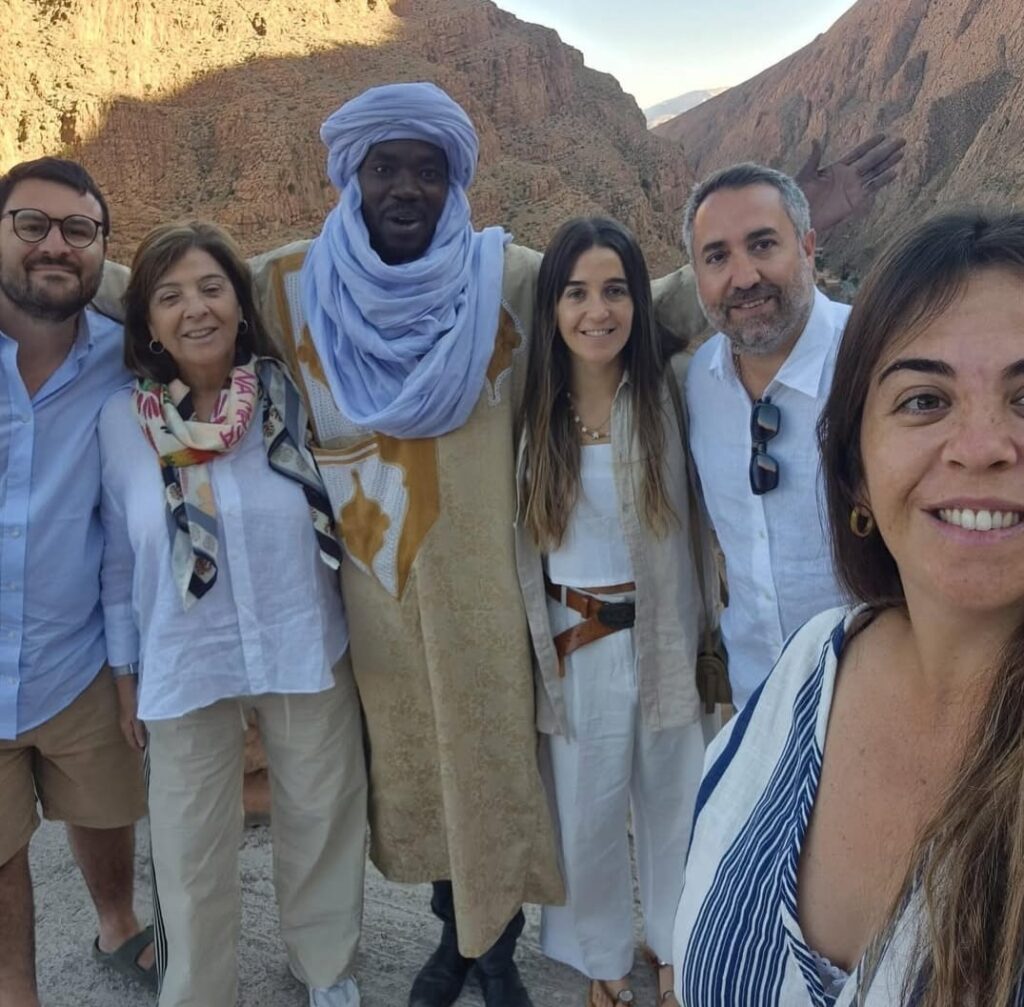
⇔ 3 days tour from Marrakech to Merzouga desert is an incredible experience that allows you to explore some of the most stunning landscapes in Morocco.

⇔ 4 days tour from Marrakech to Marrakech passing through the Merzouga Desert is an unforgettable experience, which will allow you to explore some of the most impressive landscapes in Morocco. Here is a suggested itinerary:
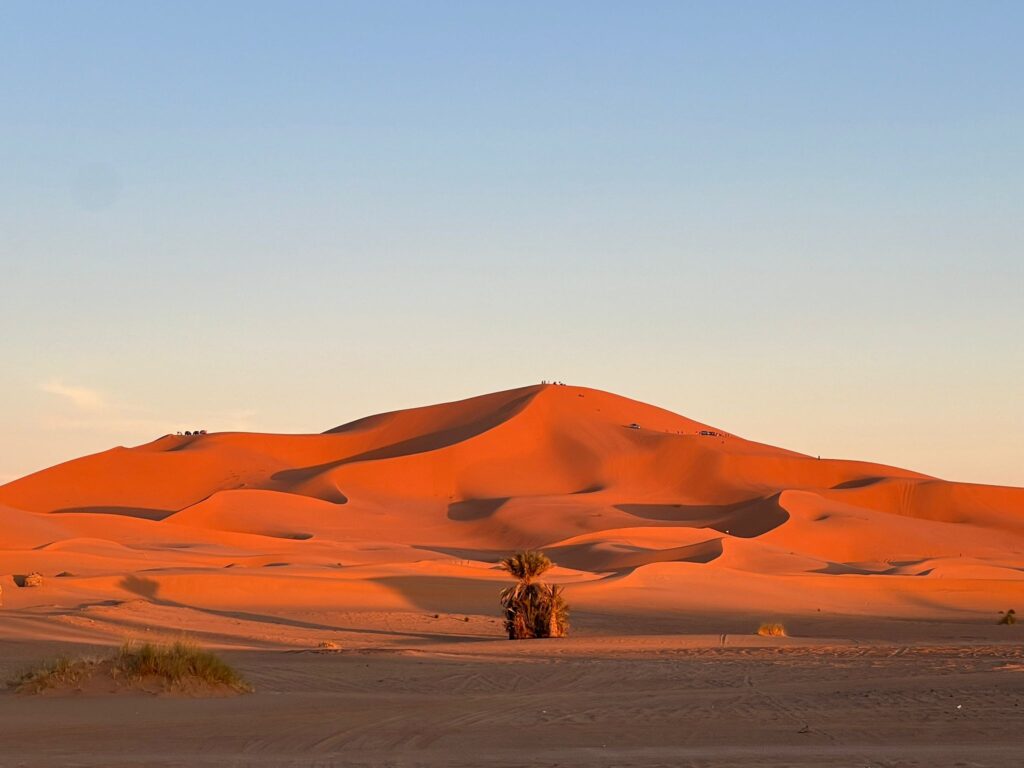
⇔ 4 days tour from Marrakech to Marrakech passing through the Merzouga Desert is an unforgettable experience, which will allow you to explore some of the most impressive landscapes in Morocco. Here is a suggested itinerary:

⇔ Absolutely! 3days tour from Marrakech to Fes via the Merzouga desert offers a rich and diverse experience of Morocco’s natural beauty, culture, and history.
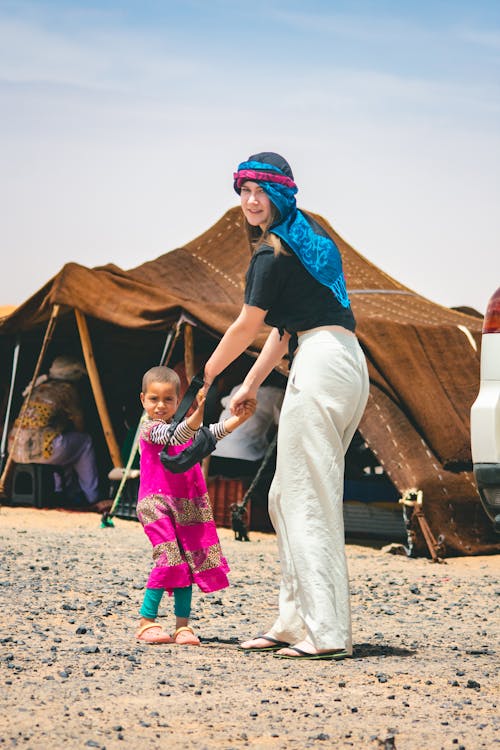
⇔ Three-day tour from Fes typically allows for a more leisurely exploration of both natural landscapes and cultural sites en route to Merzouga. Here’s a detailed description of what you might expect on such a tour:
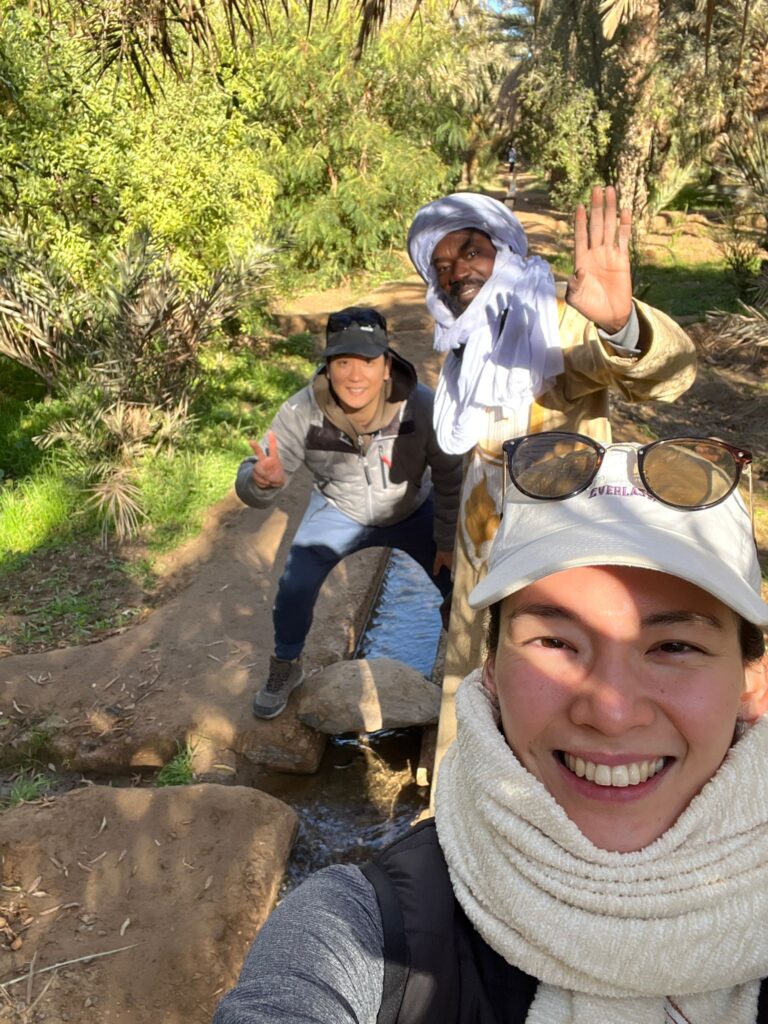
⇔ Four-day tour from Fes to Marrakech allows for a more comprehensive exploration of Morocco’s diverse landscapes, cultural heritage, and historical sites. Here’s a detailed overview of what you might experience on such a tour:

⇔ A three-day tour from Fes to Marrakech via Merzouga offers a captivating journey through Morocco’s diverse landscapes, from historic cities to the Sahara Desert. Here’s an overview of what you might experience on such a tour:

⇔ This reasonably priced 4 days trip from Tangier to Marrakech via the Erg Chebbi Merzouga desert offers an excellent introduction to Morocco’s imperial cities. It includes bustling medinas, incredible ancient sites
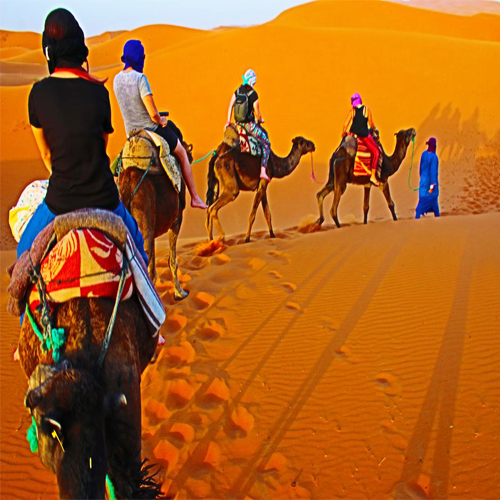
⇔ This tour from Tangier to Marrakech 5 days offers a comprehensive experience of Morocco’s diverse landscapes, rich history, and vibrant culture, from the blue city of Chefchaouen

⇔ In this tour from Tangier 6 days to Marrakech you will Discover Tangier with its breathtaking caves, delve into the charming blue streets of Chefchaouen, explore the ancient and magnificent city of Fes with its old medina, palaces, and madrasas.

⇔ A four-day trip from Casablanca to Marrakech allows you to experience the highlights of Morocco’s western region, including historical cities, stunning landscapes, and cultural attractions.
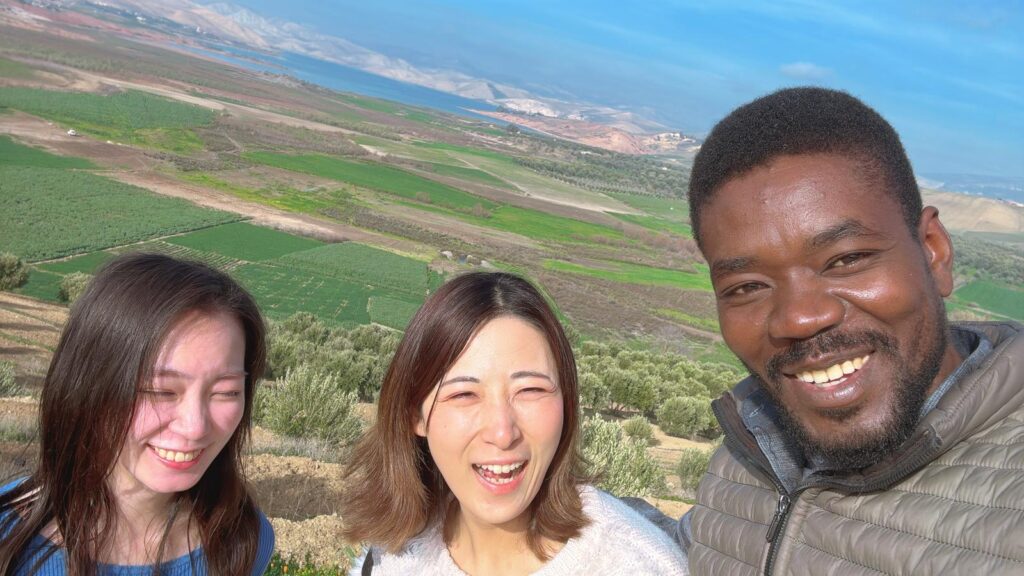
⇔ This itinerary of 6 days tour from Casablanca to Marrakech offers a balanced mix of historical exploration, cultural immersion, and scenic beauty, showcasing the diverse landscapes and heritage of Morocco’s western region.
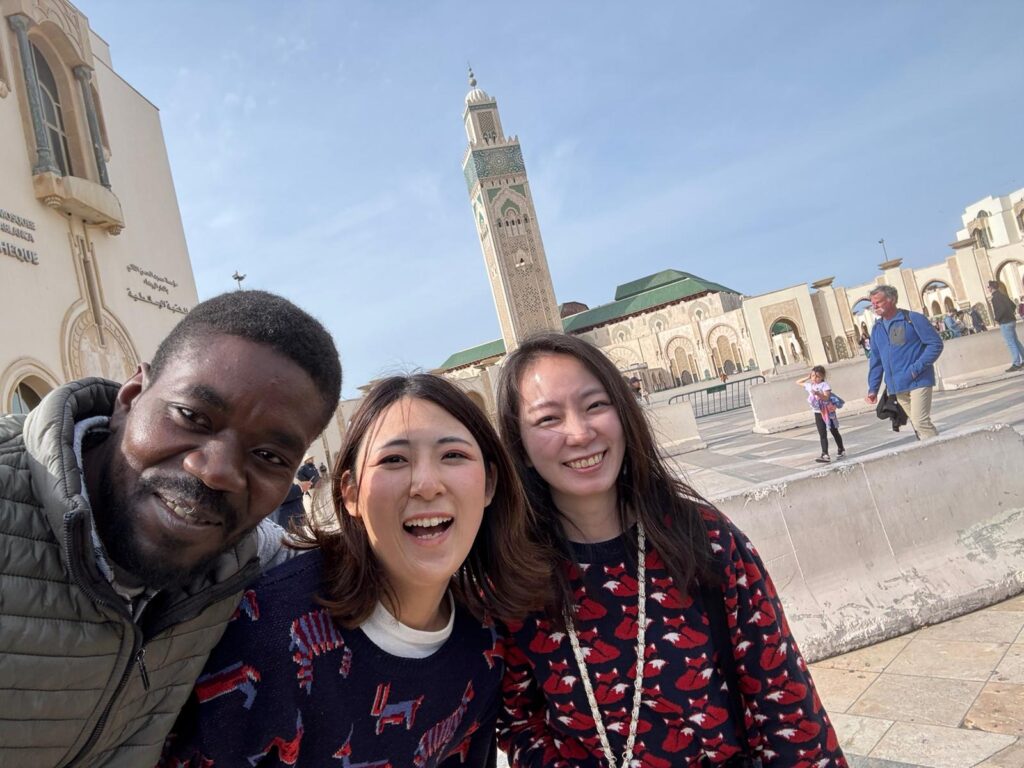
⇔ This 7 days trip from Casablanca to Marrakech, Morocco, via the desert includes exploration of the blue city of Chefchaouen, visits to the three magnificent Moroccan cities of Rabat, Marrakech, and Fes, excursions
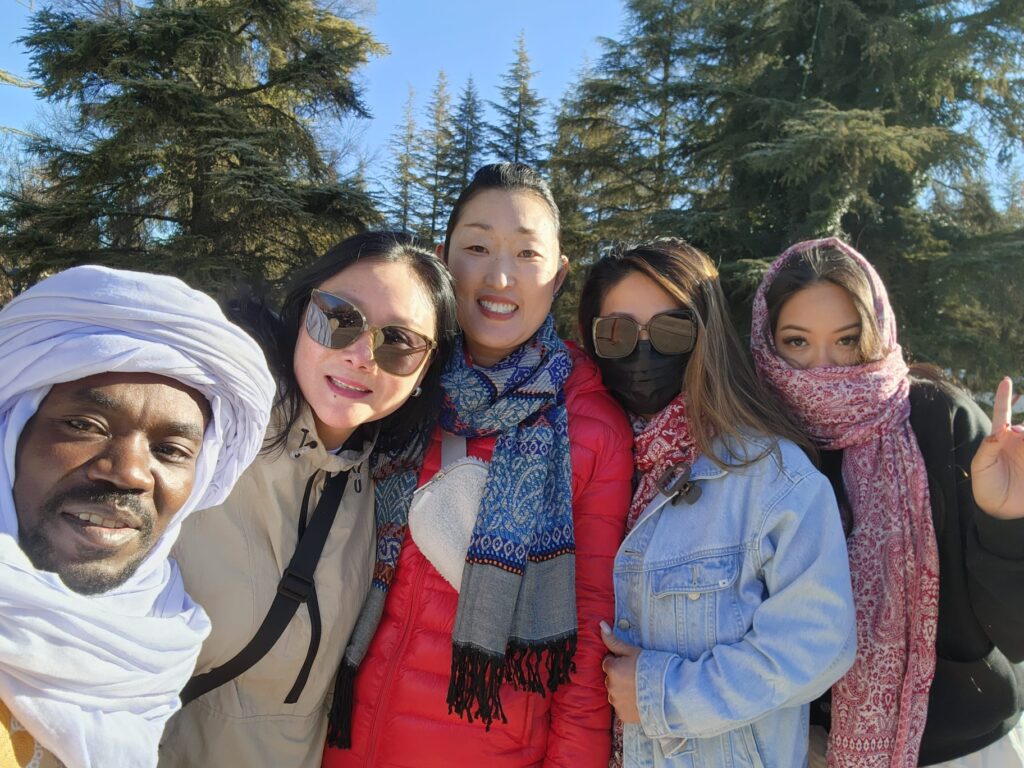
⇔ Casablanca trip to Marrakech 8 days Morocco through the most popular destinations and top attractions in North and South Morocco; the capital, Rabat, the imperial city of Meknes, and Fes. Likewise, the famous Merzouga

⇔ A 2 day itinerary from Agadir to Zagora can include some of the following highlights along the way to make the trip interesting and enjoyable

⇔ Discover the beauty of 3 Days Desert Tour from Agadir to Merzouga. Enjoy centuries of history as you connect with local Berbers.

⇔ A 4-day trip from Agadir to Merzouga allows you to explore different destinations and breathtaking landscapes along the way. Here is a possible detailed itinerary:

⇔ This 7 days trip from Tangier to Marrakech and desert tour will enable our clients who are taking a 7-day trip from Tangier to Marrakech and staying in the Moroccan desert to visit Chefchaouen, as well as Tangier, Marrakech, and Fez across the Sahara
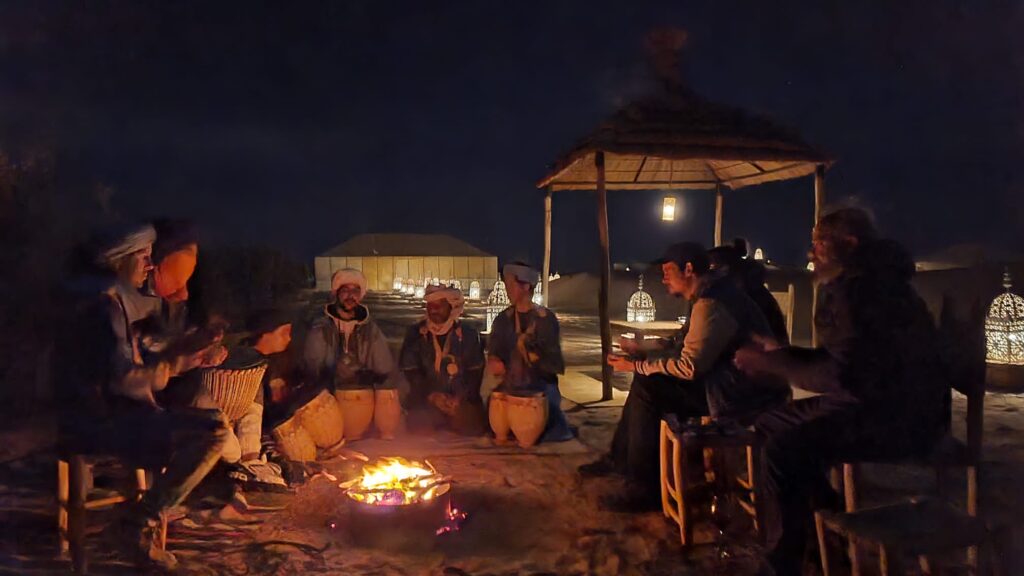
⇔ A camel ride and night in Merzouga is an unforgettable experience that allows you to enjoy the Sahara Desert in Morocco

⇔ A two-night camel trek in the Merzouga Sahara is a fantastic adventure that offers a combination of natural beauty, cultural experiences

⇔ A 3-night Merzouga camel ride in Morocco is an unforgettable experience that will allow you to explore the extraordinary beauty of the Sahara Desert.

⇔ A day trip from Marrakech to Imlil is a great way to experience the natural beauty of the Atlas Mountains and explore some Berber culture

⇔ A day trip from Marrakech to the Ourika Valley is a fantastic way to experience the natural beauty and traditional Berber culture of the Moroccan countryside

⇔ The excursion from Marrakech to Ouzoud waterfalls is one of the most popular in Morocco, as it allows visitors to escape the hustle and bustle of the city and enjoy the beauty
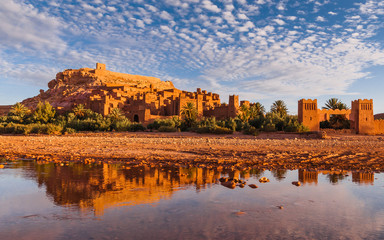
⇔ Discover in this One day trip Marrakech to Ait Ben Haddou Kasbah cross the Celestial Atlas Mountains to track down two of Morocco’s most breathtaking deserts.

⇔ Take a stunning road trip from Fes to the Rif Mountains and Chefchaouen. Explore the charming blue city on foot, a popular destination near Tangier and Ceuta.
The Essentials of This 8 days tour from Tangier to Marrakech
Passport & Travel Documents on a 8 days tour from Tangier to Marrakech:
⇔ Passport (with at least 6 months validity)
⇔ Copies of important documents (in case of loss)
⇔ Travel insurance details
⇔ Visa (if required)
Money & Cards:
⇔ Moroccan Dirhams (MAD) for small purchases or tipping
⇔ Credit/debit cards (note that not all places accept cards, especially in remote areas)
⇔ A small money pouch or secure wallet
Health and Safety on a tour 8 days from Tangier to Marrakech:
⇔ Prescription medications (with the original prescription)
⇔ Basic first aid kit (band-aids, pain relievers, antiseptic, etc.)
⇔ Hand sanitizer & face masks (if desired)
⇔ Insect repellent (especially for the desert and rural areas)
⇔ Sunscreen (high SPF)
⇔ Personal hygiene products (toothbrush, deodorant, etc.)
⇔ Any required vaccines (check with your healthcare provider before traveling)
Electronics & Chargers on a desert tour from Tangier to Marrakech:
⇔ Phone & charger (international power adapter for Morocco’s plugs – Type C or E)
⇔ Camera (if you prefer something more powerful than your phone camera)
⇔ Portable charger/power bank (useful for long travel days)
⇔ Headphones or earphones for music, podcasts, or audiobooks
Clothing on a 8 days tour from Tangier to Marrakech:
Comfortable Clothing for Various Climates:
⇔ Light, breathable clothing (cotton or linen) for daytime, especially in the desert and coastal areas.
⇔ Warm layers (jackets or sweaters) for cooler evenings, particularly in the Atlas Mountains and desert nights.
⇔ Modest clothing (Moroccan culture is conservative, especially in rural areas). Women might want to bring long skirts or pants and tops with sleeves. Men should avoid tank tops when visiting rural areas or religious sites.
Footwear Tangier to Marrakech 8 days tour:
⇔Comfortable walking shoes for exploring cities, markets, and archaeological sites.
⇔ Sandals for relaxing and visiting coastal areas (make sure they are sturdy for some walking).
⇔ Closed-toed shoes (hiking shoes or sturdy sneakers) for desert or mountain excursions, especially if trekking in the Atlas Mountains.
Special items for a 8 days tour from Tangier to Marrakech:
Sahara Desert & Mountain Gear on a Tangier tour 8 days to Marrakech:
⇔ Sunscreen (high SPF is essential for sun protection in the desert and mountains).
⇔ Lip balm with SPF (lips can dry out quickly in the desert).
⇔ Water bottle (you’ll need to stay hydrated, especially in the hot areas).
⇔ Camera or smartphone with good storage for capturing stunning landscapes, cities, and unique moments.
Snacks in this 8 days tour from Tangier to Marrakech:
⇔ Granola bars, dried fruit, or nuts for long travel days, especially on road trips or desert treks.
⇔ Moroccan mint tea or Moroccan spices (if you’re interested in taking some home as souvenirs).
Guidebook or Journal:
⇔ A travel journal or guidebook to document your experiences or read about the places you’re visiting.
⇔ Maps (though Google Maps is useful, it’s always good to have a backup).
Camera Gear of 8 days tour from Tangier to Marrakech:
⇔ Extra memory cards and batteries for your camera.
⇔ Travel tripod (for capturing scenic shots, especially in the desert or mountain landscapes).
Desert Camp Gear (if you’re staying in a luxury desert camp):
⇔ Light jacket or shawl (it can get chilly at night in the desert).
⇔ Small flashlight or headlamp (if you’re staying in a remote desert area).
⇔ Sand-resistant bags or pouches (sand can get into everything, so ziplock bags are helpful).
Optional on this Marrakech desert tour from Tangier 8 days:
Travel Pillow & Blanket:
⇔ A small travel pillow for long drives or flights.
⇔ Light blanket or sleeping bag liner (some desert camps may not provide full bedding).
⇔ Trekking Poles (if you plan on hiking through the Atlas Mountains or other rugged areas).
Personal Entertainment:
⇔ Books, e-reader, or notepad for relaxation during downtime or travel days.
Travel Laundry Kit on this 8 days tour from Tangier to Marrakech:
⇔ Laundry detergent sheets or hand wash detergent for washing clothes during the trip (especially useful if staying in rural areas or desert camps).